Afternoon tea in London prices: 5 options for every budget
Afternoon tea in London is often presented as though it were one experience with one predictable price. It is not.
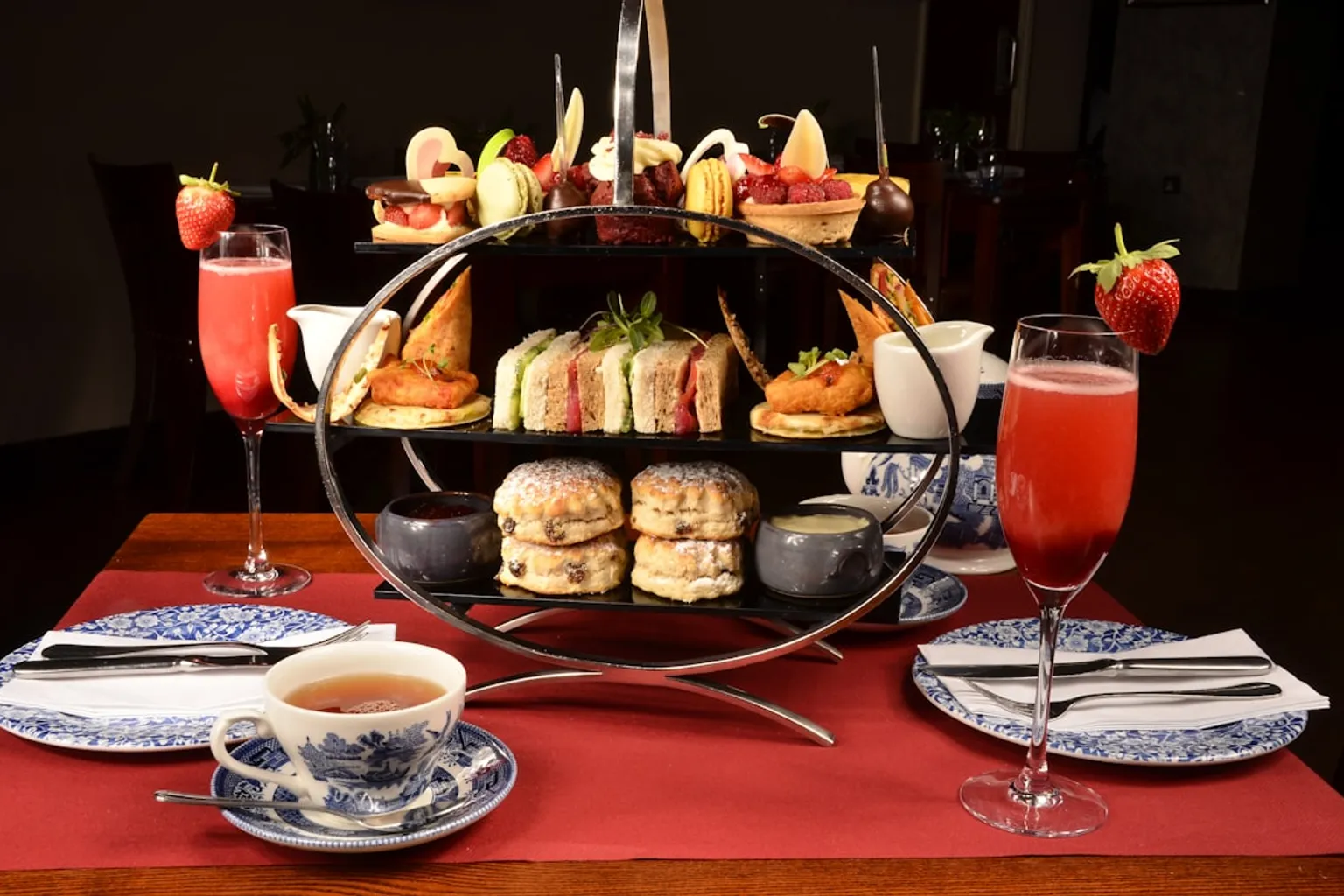
A cream tea in a café, a department-store service, and a grand hotel sitting in the Palm Court may all involve tea, scones, and small sandwiches, but they belong to very different parts of the market.
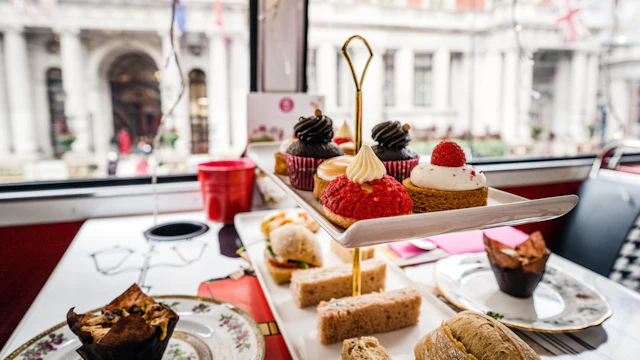
Afternoon Tea in London
- Guided Tour · Taylor Swift Themeguided tourfrom€57
- Guided Tour · British Themeguided tourfrom€59
Prices checked on August 15, 2026 · current price on the partner page.
Official website — theritzlondon.com
- Time to spend: 2–3 h
Prices are indicative and may change — confirm the price and availability on the partner page.
Partner link — GetYourGuide ticketsThe starting price can be as low as £19.50 for a simple cream tea at The Wolseley and rise to £95 per person at The Ritz or Claridge’s. That gap is not explained by the tea alone. You are paying for the food, the setting, the level of service, the brand, the booking difficulty, and sometimes the right to enter in the first place. A jacket, a service charge, and a glass of champagne can all change the final cost.
The useful question is not simply how much afternoon tea costs in London. It is what kind of afternoon tea you are actually buying.
Afternoon tea in London is not a single product. It is a range of experiences, and the menu price is only the first number that matters.
Budget-friendly cream teas and casual café experiences
The budget end of the market works well when the essential appeal is uncomplicated: warm scones, jam, clotted cream, and a proper pot of tea. You get the ritual without paying for a grand dining room or a famous hotel address.
The important distinction is between a cream tea and a full afternoon tea. A cream tea normally consists of scones with jam and clotted cream, accompanied by tea. It does not automatically include finger sandwiches, cakes, pastries, or the familiar three-tier stand. Those extras are what move the price upward.
The Wolseley’s cream tea is a clear example. The listed price starts at £19.50 per person and covers scones, jam, clotted cream, and a pot of tea. It does not include the sandwich and pastry courses associated with a full afternoon tea. At the same venue, The Wolseley Classic Afternoon Tea starts at £46.50. The difference is not a small supplement for a few extra cakes; it is a different format.
That makes the cheaper option useful, but only if you want the cheaper format. Someone expecting a complete afternoon tea tower may find the cream tea disappointing, even if the scones themselves are good. The problem is not the price. It is buying one experience while imagining another.
Cutter & Squidge in Soho sits higher, with afternoon tea starting at £32.50 per person. Its appeal is less about ceremony and more about flexibility. Vegan and wheat-free choices are part of the standard offer, which can make the price more defensible for a group with different dietary requirements. A low-cost tea that forces one guest to settle for a token substitute is not necessarily the best-value booking.
At this level, the surroundings are usually more relaxed. That can be an advantage: casual cafés are less intimidating, often easier to book, and better suited to a short break during a day of sightseeing. They are not trying to reproduce the atmosphere of The Ritz, and the experience should be judged on its own terms rather than as a discounted version of a luxury hotel service.
If your budget has a firm ceiling of about £25 per person, a cream tea is the realistic choice. If you want sandwiches, pastries, and dietary flexibility, the useful comparison is no longer between a cream tea and another cream tea. You are looking at full afternoon teas in the low- to mid-£30 range instead.
Mid-range themed menus and historic department store tea rooms
The mid-range is where afternoon tea becomes an occasion without necessarily becoming a major luxury purchase. Prices around £40 to £55 per person can buy a full tower, a more formal setting, seasonal presentation, or a venue with enough history to make the booking feel significant.
The Wolseley Classic at £46.50 is the straightforward option in this group. It gives you the full spread—sandwiches, scones, pastries, and tea—in a grand European café environment. It is less ceremonious than a Mayfair hotel, but it does not feel like a quick snack either. For a first afternoon tea in London, it is a practical compromise between food, atmosphere, and cost.
Fortnum & Mason demonstrates why the address matters so much. The Royal Exchange location starts at £45 per person, while the Diamond Jubilee Tea Salon on Piccadilly starts at £84. The brand connects the two experiences, but the rooms are not interchangeable. The flagship salon carries the stronger association with Fortnum’s afternoon-tea tradition, while the lower-priced venue offers a way to sample the service without paying the Piccadilly premium.
That difference is difficult to assess as a simple food comparison. If the point is to visit the famous flagship salon, choosing the Royal Exchange because it is cheaper may leave the main reason for the booking unresolved. If the point is to eat well and experience a recognisable London tea service, the lower-priced venue may be the more rational decision.
| Option | Starting price per person | Best for | Main limitation |
|---|---|---|---|
| The Wolseley cream tea | £19.50 | Scones and tea at the lowest listed price | No sandwiches or pastry course |
| Cutter & Squidge afternoon tea | £32.50 | A casual full tea with dietary flexibility | Less formal atmosphere |
| Fortnum & Mason, Royal Exchange | £45 | The Fortnum name without the flagship price | The setting is not the Piccadilly salon |
| The Wolseley Classic | £46.50 | A complete tea in a historic dining room | Weekend availability can be tight |
| Fortnum & Mason Diamond Jubilee Tea Salon | £84 | The flagship Fortnum experience | Higher price and limited peak-time availability |
The mid-range is also where themed menus can distort the comparison. A seasonal or branded menu may cost more because of its presentation, licensing, or limited availability rather than because the core service is substantially larger. That is not automatically a bad deal. It simply means the premium is being paid for the theme and the moment, not only for additional food.
In the middle of the market, the room and the address often cost as much as the sandwiches. Decide which of those you are actually travelling to see.
The pinnacle of luxury: iconic grand hotel tea services
At the luxury end, the food remains part of the experience, but it is no longer the whole explanation for the price. The setting, service choreography, china, reputation, and difficulty of securing a table become central to the purchase.
The Ritz London in Mayfair lists afternoon tea from £95 per adult, with children’s pricing listed separately from the adult service. Tea is served in the Palm Court, a room whose history is closely tied to the hotel’s identity. The price reflects more than the contents of the stand: it buys an established ritual in one of London’s most recognisable hotel interiors.
The dress code is not a minor detail. Men are expected to wear a jacket and tie, and a casual interpretation of formalwear is not a reliable strategy. Trainers, shorts, and similarly informal clothing can turn an expensive booking into a wasted journey. The venue’s standard is part of the product, just as much as the pastries are.
Claridge’s also lists afternoon tea from £95 per person. The service takes place in the Foyer & Reading Room, and the hotel’s appeal is built around its Mayfair setting, polished service, and distinctive presentation. One practical feature is the availability of refillable finger sandwiches. That matters because savoury courses are often portioned carefully in afternoon tea services; the possibility of a refill changes how substantial the meal feels.
Fortnum & Mason’s Diamond Jubilee Tea Salon, starting at £84, sits between the mid-range and the grand-hotel ceiling. It offers the flagship Piccadilly setting at a lower starting price than The Ritz or Claridge’s. For a visitor who wants the Fortnum name, tea selection, and department-store history, it may offer stronger value than a hotel service. For someone specifically seeking a Mayfair hotel, the comparison is less relevant.
The luxury decision is therefore less about identifying the universally best venue. The Ritz, Claridge’s, and Fortnum’s flagship salon sell different versions of prestige. The right choice depends on whether the priority is strict tradition, hotel atmosphere, a department-store institution, or simply the most memorable room.
A £95 tea should also be treated as a starting point, not a complete trip budget. Champagne, service charge, transport, and purchases made before leaving the building are separate expenses. If £95 is the absolute limit for the whole experience, luxury afternoon tea is likely to feel restrictive. If it is the food-and-tea budget before extras, the figure is more workable.
Hidden costs: navigating service charges and champagne upgrades
The most common budgeting mistake is comparing one venue’s advertised price with another venue’s final bill. The displayed figure may exclude a service charge, or it may show the basic tea while placing champagne and other additions in a separate part of the menu.
At the top end, service charges commonly fall in the 12.5% to 15% range and may be added automatically. A £95 afternoon tea can therefore reach roughly £107 to £109 per person before any additional discretionary tip. For two people, that difference is large enough to affect the choice of venue rather than merely the amount spent on the way home.
The practical rule is simple: treat a mandatory service charge as part of the price when comparing venues. It is not a surprise tip that appears after you have already decided what the experience costs. Check the booking terms and confirmation, not only the printed menu. The confirmation normally gives the clearest indication of what will be added to the reservation.
Champagne is the second major variable. A glass upgrade can add approximately £10 to £30 per person, depending on the venue and the package. At a luxury hotel, the upgrade may sit near the upper end of that range. At a mid-range venue, it is more likely to be a smaller supplement, although the exact amount needs to be checked at the time of booking.
The upgrade makes sense when the occasion is built around celebration. It makes less sense when the decision is being driven by a photograph or a package label. Afternoon tea is complete without champagne; the bubbles change the mood, not the basic structure of the meal.
Other expenses are easier to overlook because they are not always presented alongside the tea price:
- Service charge: Often automatic at luxury venues and potentially significant when multiplied across two or more guests.
- Champagne or sparkling-wine upgrade: Usually priced per person or per glass rather than absorbed into the standard tea.
- Bottled water: A small addition, but one that can appear without much attention during a long sitting.
- Retail purchases: Fortnum & Mason’s setting makes it particularly easy to leave with tea, biscuits, or a gift that was not part of the original plan.
- Transport: A central London hotel booking may be convenient for sightseeing but still require a taxi or additional public-transport journey, especially after an evening appointment.
For a couple booking a £95 service with champagne, a total in the £240–£260 range is more realistic than £190. That is the kind of arithmetic worth doing before the reservation is confirmed. If the budget is fixed, leave room for the service charge and decide in advance whether the champagne is genuinely part of the occasion.
Essential planning: dress codes and reservation requirements
Afternoon tea is one of the few London dining experiences where clothing and timing can determine whether the booking happens at all.
The Ritz has the clearest rule: men need a jacket and tie. The safest approach is to treat that requirement literally rather than trying to interpret it through current ideas of smart casual. For women, the expectation is polished daytime attire. Trainers, shorts, and beachwear are poor choices for luxury venues even when the written rules are less specific.
Claridge’s also expects guests to dress smartly, although its approach is generally less rigid than The Ritz. Fortnum & Mason and The Wolseley are more accommodating of smart-casual clothing. Clean chinos, a collared shirt, a dress, or similarly neat daytime clothes should fit the tone, but the exact policy can change, so it is worth checking the venue’s current booking information.
The reservation window is just as important. The Ritz, Claridge’s, and the Diamond Jubilee Tea Salon are not dependable walk-in options for weekend visits. Popular times can fill weeks ahead, particularly when travel dates are fixed and the booking is part of a larger itinerary. Waiting until arrival may work on a quiet weekday; it is a weak plan for a Saturday afternoon.
A sensible sequence is:
1. Decide whether you want a cream tea, a full casual tea, a department-store service, or a grand hotel experience.
2. Calculate the real per-person ceiling, including service charge and any celebration drink.
3. Check the dress code before paying a deposit.
4. Book the luxury venues several weeks ahead for weekend dates.
5. Confirm the menu, dietary arrangements, cancellation terms, and final charges in the booking confirmation.
Budget venues are usually more forgiving. The Wolseley may accept walk-ins when tables are available, and casual cafés often operate with shorter booking windows. That flexibility is part of their value. The trade-off is that you are choosing convenience and affordability over the ceremonial scale of a Mayfair hotel.
If the tea is one appointment among many, a flexible café can be the better experience. If it is the central event of the day, the stricter booking process may be justified. A grand room is only enjoyable when you have allowed enough time to reach it, dressed appropriately, and accepted the cost of the full service rather than just its headline price.
Choosing the right price tier
The current range makes the distinctions fairly clear. A cream tea at The Wolseley starts at £19.50. A casual full tea at Cutter & Squidge begins at £32.50. The Wolseley Classic and Fortnum & Mason’s Royal Exchange service sit around £45 to £46.50. Fortnum’s Diamond Jubilee Tea Salon begins at £84, while The Ritz and Claridge’s start at £95 before additional charges.
That spread is not a ranking from bad to good. It is a choice between different priorities:
- Choose a cream tea when scones and tea are the main attraction and the budget is close to £20 per person.
- Choose a casual full tea when you want the complete format, need more dietary flexibility, or prefer an easygoing setting.
- Choose the mid-range when the room and the occasion matter, but a luxury-hotel bill does not fit the trip.
- Choose Fortnum’s flagship salon when the Piccadilly address and department-store tradition are the point.
- Choose The Ritz or Claridge’s when the hotel setting, formal service, and prestige justify a starting price of £95 before extras.
London afternoon tea is easiest to enjoy when the format is chosen before the photograph. Start with the budget, add the service charge where applicable, decide whether champagne belongs in the plan, and then select the room. The cream tea is not a failed luxury tea, and the luxury tea is not simply a larger cream tea. They are separate experiences with separate reasons to book.
The final rule is uncomplicated: read the menu, read the booking confirmation, and read the dress code. Once those three things agree with your budget, the choice becomes much less mysterious.
Practical info
Currency: GBP
Driving: on the left
Emergency number: 112