Seattle Real Estate Trends: August 2026 Market Analysis
Windermere Bellevue Commons’ August 2026 update puts Seattle’s median residential sold price at $999,500, down 1% from June and from a year earlier.
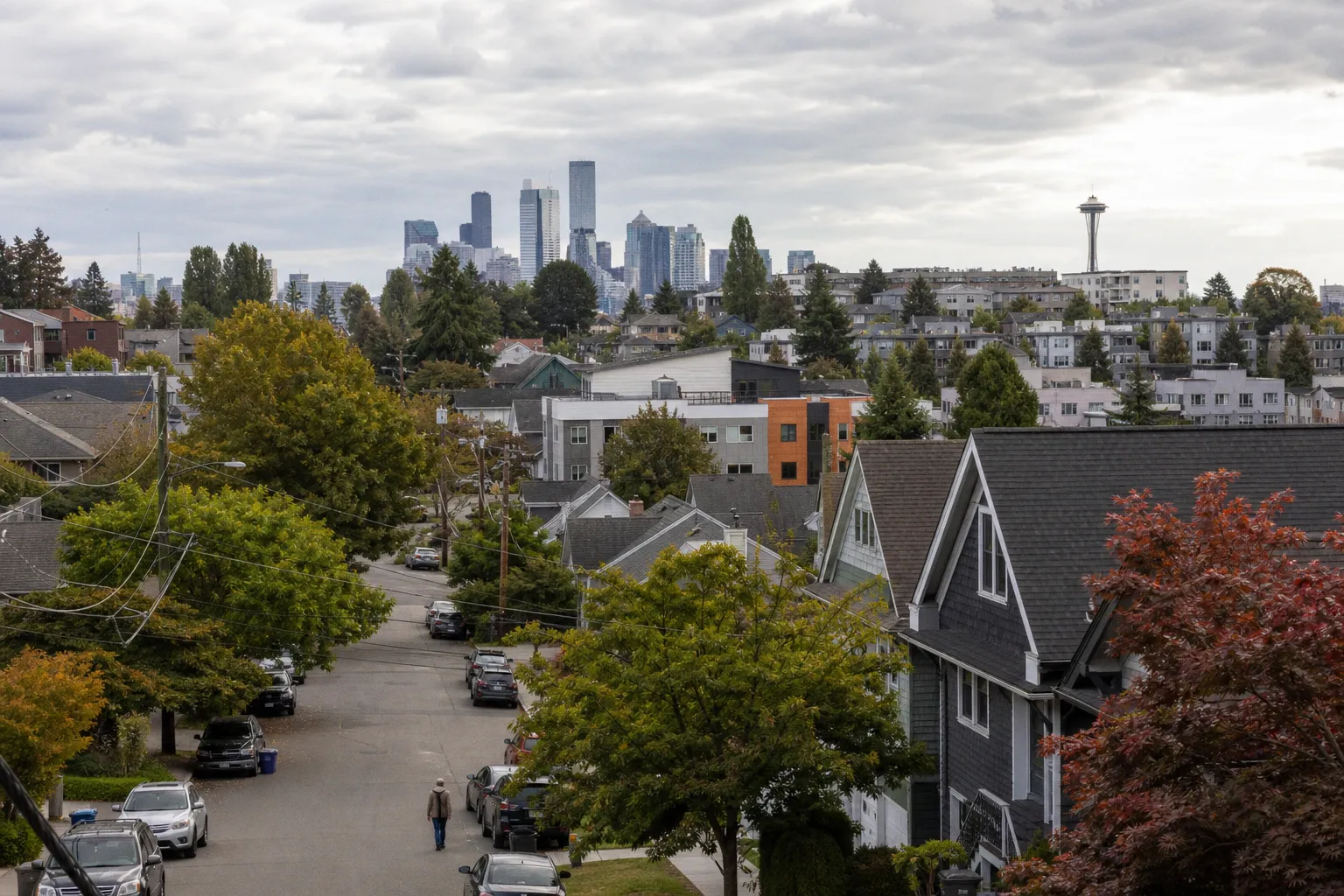
Active listings increased 16% year over year. The immediate implication is a wider selection for buyers, but not a uniformly weak market: correctly priced homes are still moving, while pending and closed sales are declining.
Inventory is expanding faster than demand
The July data show a market with more supply and slower decision-making:
- Seattle active listings: up 16% year over year.
- Closed sales: down 14%.
- Pending sales: down 17%.
- More than 80% of homes that sold went under contract within 30 days.
- 31% sold above asking price.
- The median residential sale price: $999,500.
- Seattle condo median: $525,000, down 5% year over year.
- Seattle condo listings: up 12%.
These figures describe a segmented market, not a broad collapse. Buyers have more inventory to compare, but competition remains for homes that meet the market on price and presentation. The gap between those two groups is widening.
The broader King County figures point in the same direction. Inventory reached 3.1 months in July, described by Windermere Bellevue Commons as balanced territory. Active listings rose 25% year over year, while closed sales declined 10% and pending sales declined 11%. Nearly a quarter of homes sold above asking, but 35% sold only after a price change.
That combination is the central data point: demand exists, but it is selective.
What buyers and sellers should measure
For buyers, the practical gain is negotiating leverage. The Daily Chronicle reported that mortgage rates averaged 6.5% throughout July and that more than three months of single-family inventory was available in King County, the highest level in at least a decade according to the cited measure. The same report described the market as moving toward a more balanced range, while noting that high prices and borrowing costs continue to keep some shoppers on the sidelines.
The correct response is not to treat every listing as negotiable. Buyers should separate three categories:
1. Homes newly listed and priced in line with recent sales.
2. Homes that have already received a price change.
3. Homes that have remained available while comparable properties moved.
The second and third categories offer the clearest basis for a transaction strategy. The evidence also supports a slower pace of decision-making: buyers have more choice, and pending sales are down.
For sellers, the initial list price has become a financial variable rather than a marketing preference. In Seattle, 31% of homes still sold above asking, and more than 80% went under contract within 30 days. But the King County data show that over one-third of homes required a price change before selling. The market is rewarding accuracy at launch and penalizing delayed adjustments.
Preparation remains relevant, but the data do not support overpricing followed by a late correction. A seller should establish a pricing range from current comparable sales, monitor early showing and offer activity, and define the point at which a price change becomes necessary. The July results indicate that waiting for demand to return is not a neutral strategy.
The regional spread matters
Seattle is not the only market moving toward greater buyer choice. The Eastside recorded a 38% annual increase in active listings and reached 4.0 months of supply. Nearly three-quarters of Eastside homes sold below asking or after a price change. The median residential price held essentially flat at $1,575,000, while 74% of homes went under contract within 30 days.
Snohomish County produced the strongest transaction result in the update. Closed sales rose 3% year over year even as active listings increased 33%. The median residential sold price declined 6% to $757,250, and 71% of homes went under contract within 30 days. Forty percent sold only after a price reduction.
For Seattle-area buyers, this creates a clear comparison set. Seattle offers more inventory but lower pending and closed activity. Snohomish County shows stronger transaction volume at a lower median price. The Eastside offers substantial selection, but its higher price point and increased supply give buyers more room to negotiate.
The next signal is whether inventory continues to rise while pending sales remain below last year’s level. If that pattern persists, buyer leverage should expand and sellers will need sharper pricing. If pending activity stabilizes while well-positioned homes continue moving within 30 days, the market will remain balanced rather than tipping decisively toward buyers.