Seattle Moves to Ban Hidden Rental Fees and Junk Charges for Apartment Tenants
According to Secret Seattle, Seattle is officially eliminating hidden apartment “junk fees,” including pet rent and other rental costs that may not be visible in the headline lease price.
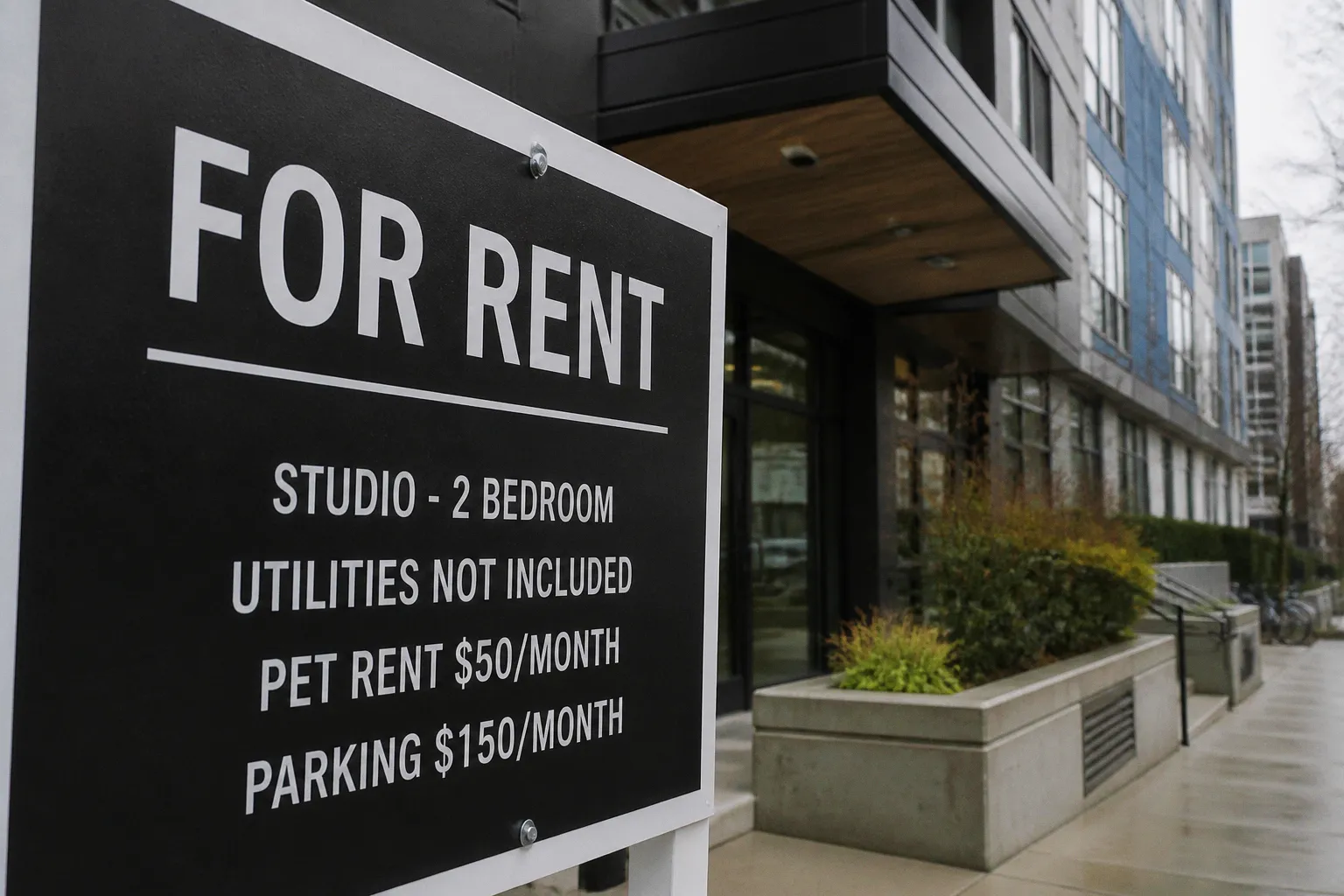
The reported change matters because fee structure affects the real cost of renting—and the comparison between renting and buying—more than a base monthly rate alone. The available reporting does not establish the policy’s effective date, coverage, or enforcement details.
The headline is clear. The rulebook is not.
The confirmed information is limited to the policy headline. It does not specify:
- Which apartment fees are covered.
- Whether existing leases and renewals are included.
- Whether pet-related charges are prohibited entirely or must be disclosed differently.
- When landlords must change listings, lease documents, or payment portals.
- What penalties or remedies may apply.
That distinction matters. “Eliminating hidden fees” can mean a ban on selected charges, mandatory disclosure of the full monthly cost, or a broader change to how rental pricing is presented. Those are different financial outcomes for tenants and different compliance requirements for property owners.
Until the underlying rule is available, renters should not assume that every fee has disappeared. The practical standard remains the total contractual cost.
What renters should verify before signing
A listing’s advertised rent is not enough to evaluate a Seattle apartment. Request the complete fee schedule and compare it with the lease before paying an application fee or deposit.
Check four items:
- Recurring charges: Ask whether any monthly costs sit outside the stated rent, including pet-related charges.
- One-time charges: Separate deposits, administrative fees, move-in costs, and other nonrecurring payments.
- Conditional charges: Identify fees triggered by pets, parking, utilities, late payments, or lease changes.
- Lease consistency: Confirm that the amounts discussed during the application process match the final lease and payment schedule.
Keep the listing, fee sheet, and lease together. If the policy changes how charges must be disclosed, that record will be more useful than a verbal explanation. It also gives buyers and renters a clean basis for comparing properties with different pricing structures.
The immediate financial question is not whether a building has a lower advertised rent. It is whether the full monthly obligation is lower after every recurring charge is included.
Why this matters for Seattle’s rental market
The news arrives alongside two other market signals reported by local and commercial real estate outlets. CoStar is reporting renewed buying activity by large investors in Seattle apartments. The Seattle Post-Intelligencer reports that mortgage rates have eased again but remain higher than at the same point last year.
Neither headline establishes a direct connection to the fee policy. Together, however, they reinforce the need to separate headline pricing from total economics. Investors evaluating apartment assets will focus on revenue, operating costs, occupancy, and yield. Renters focus on the amount leaving their bank account each month. A change in fee treatment can affect how both sides measure the same property.
For owners and managers, the operational task is straightforward but incomplete until the final policy language is known: inventory every charge attached to a unit, identify which costs recur, and revise marketing and lease materials if required. For renters, the task is equally direct: compare all-in costs, not the first number shown in an online listing.
The market outcome is binary. If Seattle’s final rules require broad, enforceable disclosure or removal of recurring charges, advertised rents will become more comparable. If the policy is narrow, fee complexity will remain—and renters will still need to perform the accounting themselves.