Seattle’s New Strategy to Accelerate Residential Development and Permitting
According to CHS Capitol Hill Seattle News, Seattle's mayor is preparing an executive order to streamline residential construction permits and establish a new Housing Production Task Force.
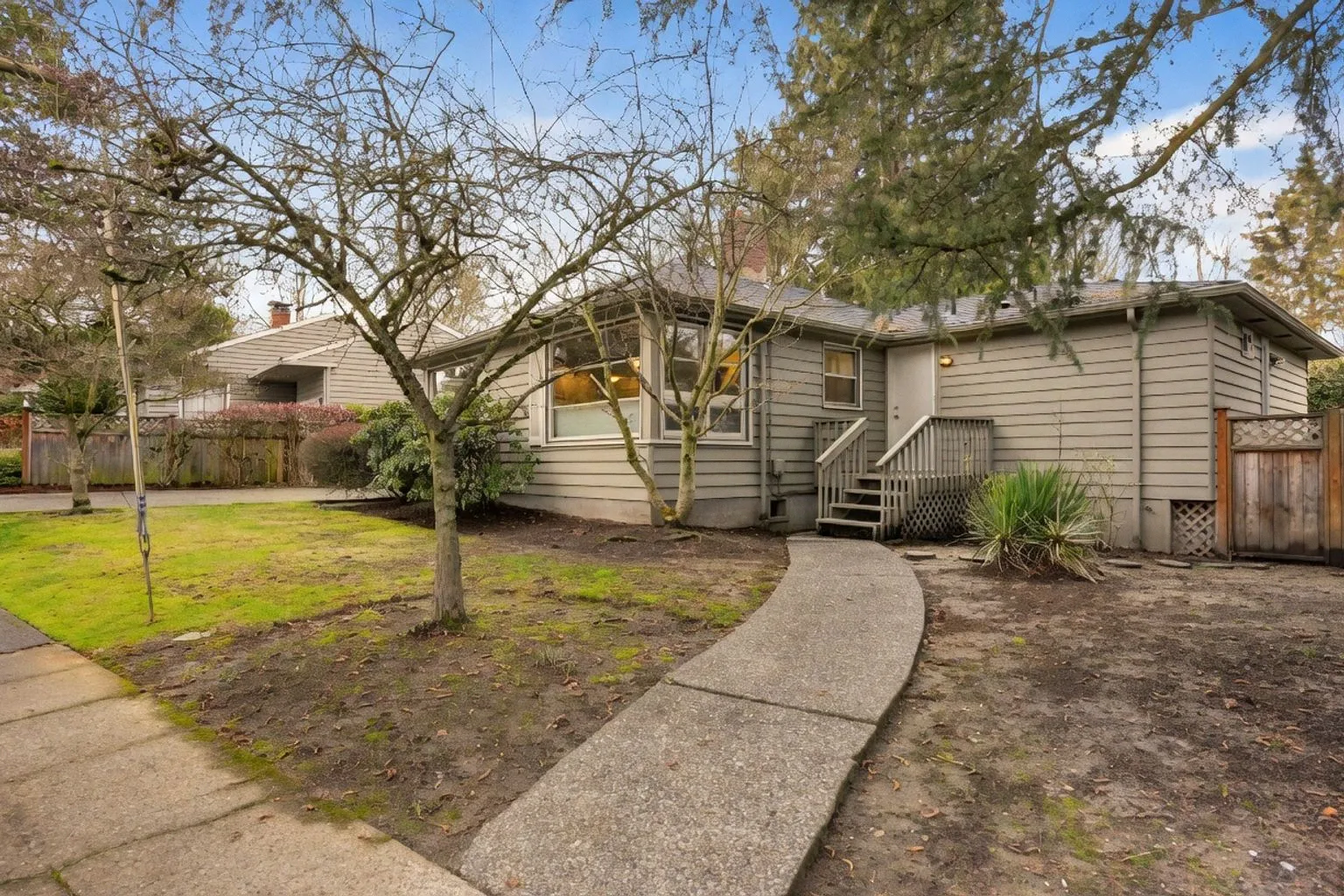
KOMO reports the order is aimed squarely at boosting housing production. The action runs alongside ongoing Seattle Times coverage exploring the levers the city could pull to expand its construction pipeline.
Where the order intervenes
The executive order targets the front end of the development cycle: review and permitting. Permit timelines feed directly into holding costs; longer cycles compress yield and shrink the viable project set, particularly for small- and mid-sized builders operating on thinner margins. CHS reports the order establishes a Housing Production Task Force, a structural body rather than an ad hoc committee. That distinction matters for measurement: a fixed mandate implies defined deliverables, a reporting cadence, and a public scorecard — the mechanisms through which any throughput gains can be verified against the baseline. Specific charter details were not included in the available reporting.
A 30% data point from the supply debate
A 2007–2016 study covered by The Seattle Medium offers a quantitative anchor for the broader supply conversation. Economists Tom Mayock of Virginia Tech and Kelly Vosters of the University of North Carolina at Charlotte linked student-level education records to administrative real estate data and tracked outcomes for students in grades three through eight. Their finding: the national single-family rental stock expanded roughly 30% over the period, with growth reaching neighborhoods where rental supply had previously been scarce, including suburban zones anchored to higher-performing public schools. In attendance areas where single-family rentals materialized, students who moved in posted statistically significant gains on standardized end-of-grade tests; economically disadvantaged students were among the strongest gainers. The geographic frame is North Carolina, not the Puget Sound region, but the underlying mechanism is portable — expanding rental supply in supply-constrained submarkets measurably shifts household access and outcomes.
What to track next
Three variables will determine whether the order is procedural or productive:
- Permit cycle benchmarks: Will the city publish target days from application to issuance, and will variance be reported by project type and by neighborhood?
- Task Force charter: What is the body composition, meeting cadence, and metric set — entitlements issued, units delivered, median time to shell completion?
- Pipeline conversion: Of the units currently entitled or under review across Seattle, what share breaks ground within 12 months of the order taking effect?
Either permit timelines compress within the next fiscal year and the local construction pipeline reactivates, or the order produces procedural edits without measurable throughput gains — and the supply gap in Seattle persists unchanged.