Seattle Housing Costs Drive Rapid Population Growth in Black Diamond and Sultan
According to MyNorthwest.com, Black Diamond and Sultan now register as the leading growth nodes across the Puget Sound region, with the affordability ceiling in Seattle proper pushing household formation outward.
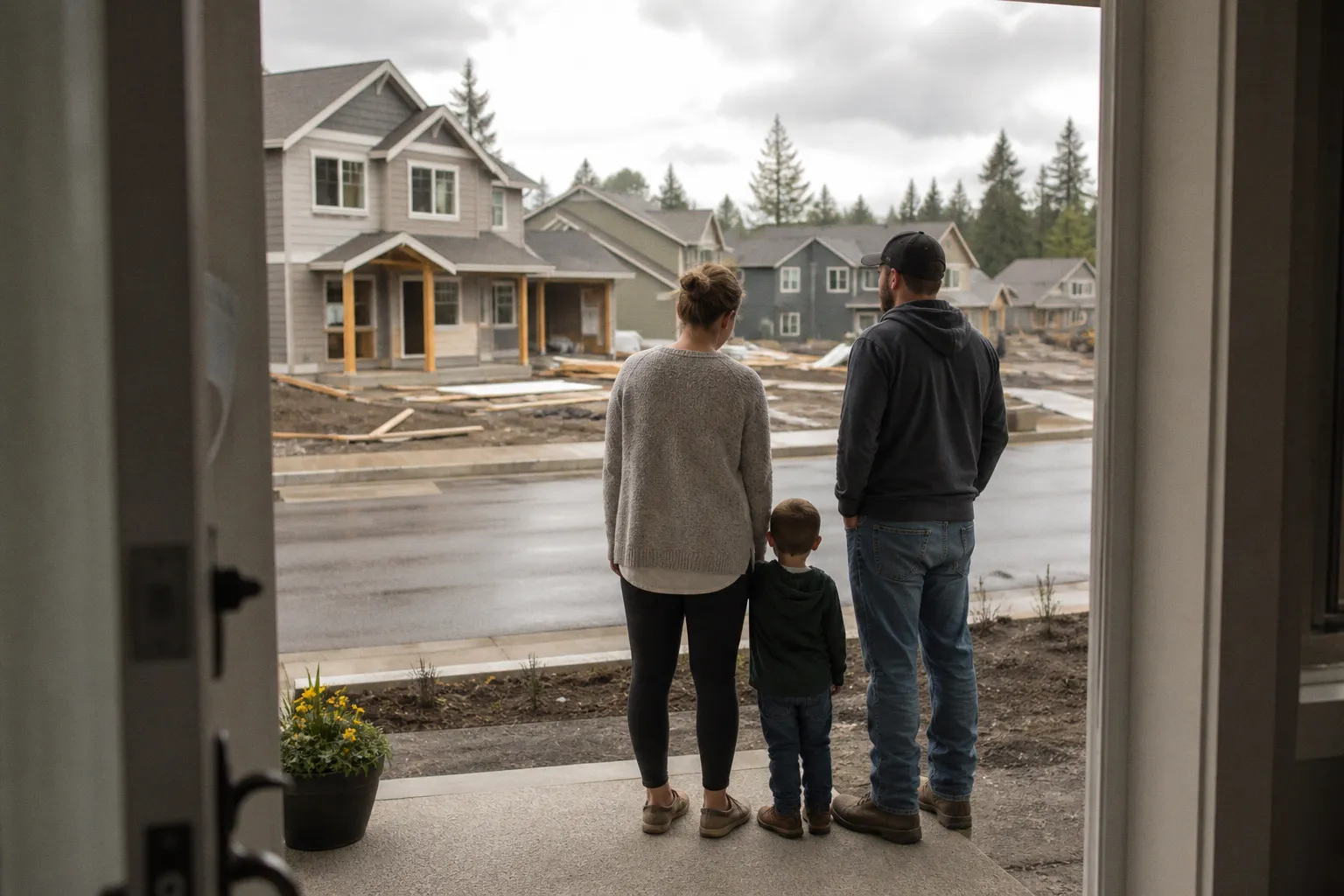
The headline metric: traffic volumes in those exurban corridors have crossed a threshold local administrators characterize as a service-cost problem rather than a marketing asset.
Migration Data and the Affordability Anchor
The growth signal aligns with two regional indicators. Seattle's Office of Housing has scaled past the $300 million annual mark in its affordability programming, per CHS Capitol Hill Seattle News — a figure that quantifies the public-sector response to the same price compression driving the outward move. On the transaction side, The Seattle Times and Seattle Post-Intelligencer both report that Home Depot's quarterly sales lifted on small-project demand while the company's broader housing-market outlook remained unchanged. The read: a slumping backdrop where small-ticket discretionary spend holds, but full-scale relocation decisions lag the income curve.
Yield Read and What to Track
Two patterns converge. Absorption rates in Black Diamond and Sultan accelerate while Seattle's core inventory stays tight, and median compression in the urban core pushes effective yields on suburban land parcels higher on a relative basis. For buyers priced out of the urban median, the trade is distance for square footage, paid in time rather than dollars. Watch three data points over the next two quarters: permit volume in the Black Diamond-Sultan corridor, median days on market for Seattle proper listings priced under the regional median, and any revision to the Office of Housing's capital allocation. If permit issuance holds while urban DOM extends past 30 days, the exurban capture rate is structural, not cyclical. Binary projection: the next quarter either confirms the redistribution or reverts to mean.