Seattle Housing Market Faces Sharpest Pending Sales Drop Nationwide
6% year-over-year, according to Redfin data reported by KOMO News.
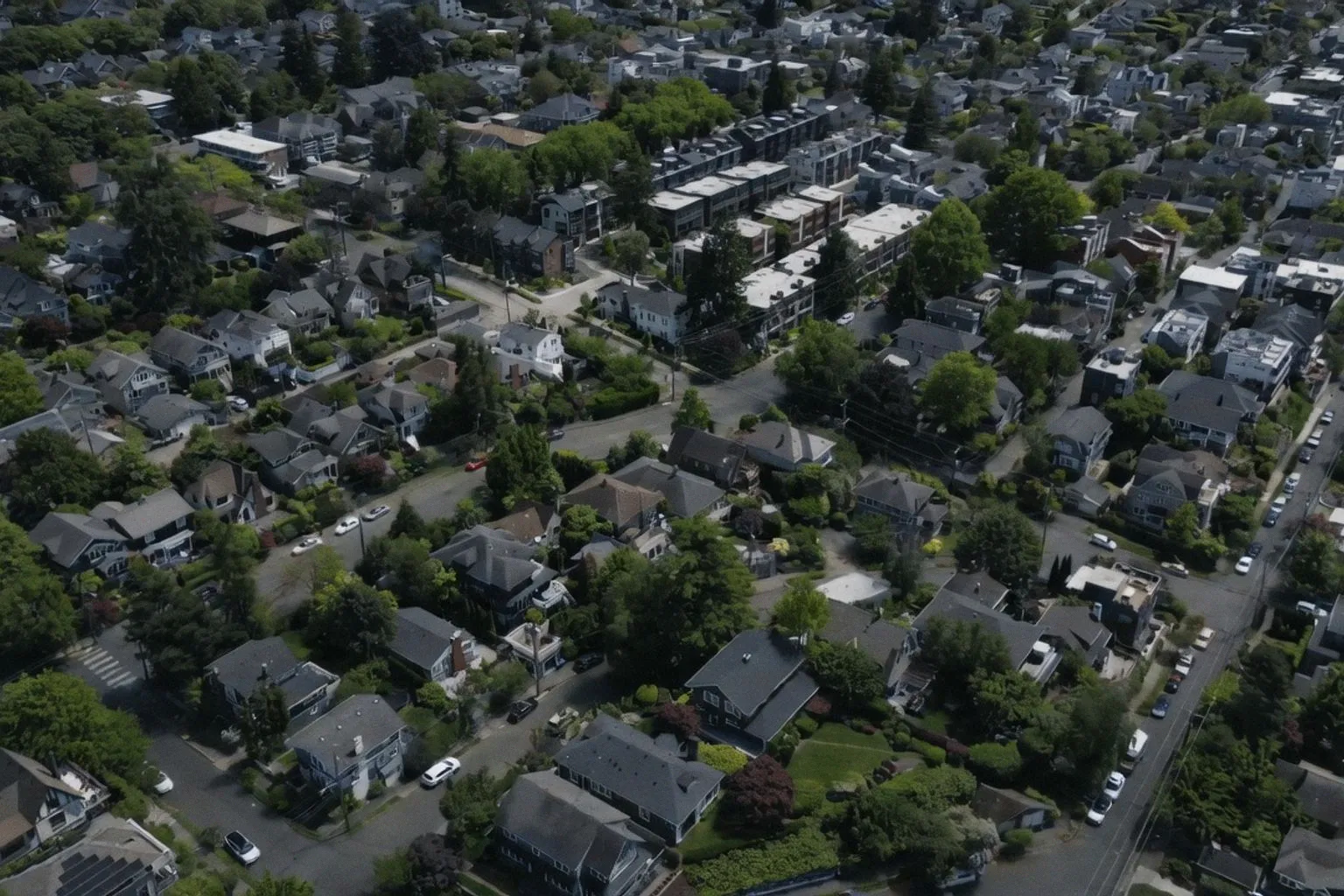
Pending home sales plunge in Seattle area amid tech industry shifts
The Seattle metro area recorded the steepest pending-sales decline in the country last month, with contracts falling 15.6% year-over-year, according to Redfin data reported by KOMO News. The drop outpaced Houston's 14.3% contraction, the next-largest regional decline, and ran counter to San Francisco's 8.5% gain. The median home-sale price in the Seattle metro stood at $809,479 — roughly double the national median — framing the demand collapse as a price-resistance event rather than a financing shock.
The data
The 15.6% pending-sales drop is not a uniform contraction. Redfin's data, cited by KOMO, names Seattle as the metropolitan leader in cooling contract activity while national pending sales moved at a lower magnitude. The median price level — $809,479 versus a national median near $400,000 — puts inventory absorption under pressure, not affordability in absolute terms. Homes are sitting on the market longer than in years past. A separate Realtor.com headline — "Seattle Inventory Surges but Homes Still Sell Faster Than the Nation" — confirms a supply-side push into a softening demand curve.
Tech-cycle compression
Local Redfin principal agent Chase Costello, who covers Seattle, Bellevue, and Mercer Island, attributes the move to two inputs: reduced relocation volume into the metro and elevated layoff risk among tech workers. Recent AI-related layoffs at Amazon's own AI division, confirmed by the company, have been cited as a proximate signal. The pattern: tech workers delay purchase decisions to avoid locking in a mortgage before a potential job event. A perceived employment-risk delta is translating into measurable demand softening. AI's uncertain trajectory is a parallel factor, extending the caution window.
What to track
Three data points will determine whether this is a cyclical cooling or a price reset. First, inventory absorption rate in King County. Second, follow-on tech layoff announcements through Q4. Third, mortgage rate trajectory above the 6% baseline. Costello's recommendation to local buyers — enter now and refinance later — is a binary bet on rate directionality. The position holds only if the 6% baseline yields downward in the next 12–24 months. If the rate floor holds, the pending-sales decline becomes a price decline.
San Francisco's 8.5% gain, cited in the same report, is dismissed by Costello as a non-comparable market. San Jose in the Bay Area tracks more closely with Seattle's tech-correlated dynamic. Per a KIRO host's framing reported by MyNorthwest, the question on the local table is whether this shift is a revolution or a cyclical reversion. The Emerald City's housing market is now structurally tied to the tech employment cycle, not the national median.