Bioparco di Roma tickets: how online booking cut gate queues
Buying tickets for Bioparco di Roma is less about finding a complicated fare structure and more about choosing the right moment to arrive.
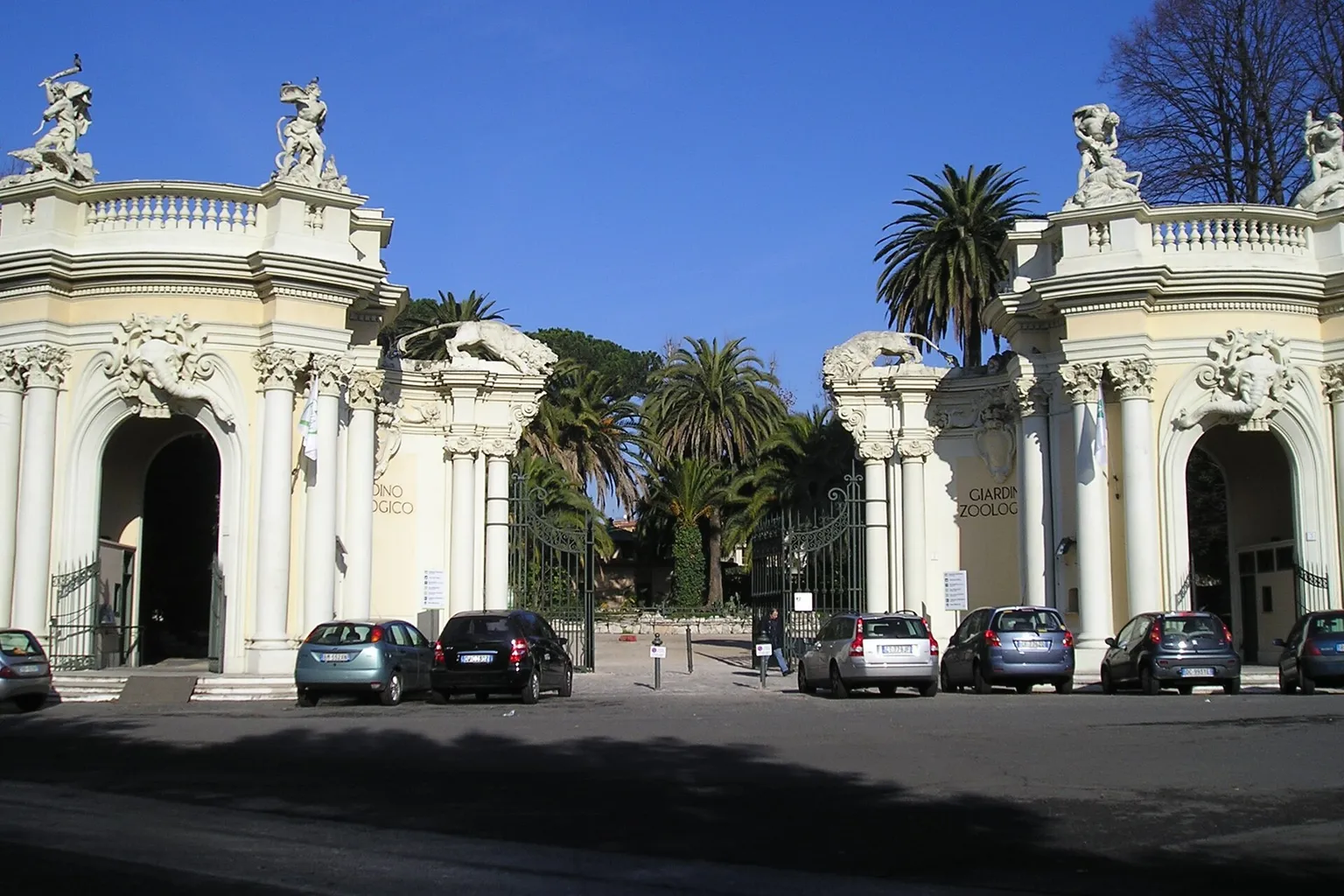
Bioparco di Roma tickets: how online booking can cut gate queues
The zoo sits inside Villa Borghese, where a morning may already include a walk through shaded avenues, a museum stop, or a slow climb from the city streets into the gardens. If you add a ticket-office queue at the entrance, the day can lose its easy rhythm before you have even reached the first animal enclosure.
Tickets and prices
Bioparco di Roma
I
Save
Box office and online booking
- Adult €19
- Child free
- Reduced €9
€19
Official websiteII
entry ticket
Entry ticket — available today and tomorrow
This entry ticket grants access to a zoological garden where you can see over 1,200 animals representing around 200 species from all over the world.
€22
Book ticketsOnline booking gives you a simpler arrival: choose a date, receive a mobile voucher, and scan it at the gate rather than joining the physical ticket line. It does not remove every possible delay — busy weekends, holiday crowds, and entry procedures still exist — but it can take one unnecessary pause out of the route. For families, older visitors, and anyone fitting the zoo between other Rome plans, that small difference is often the one that makes the visit feel unhurried.
The practical advantage of booking Bioparco di Roma tickets online
Bioparco di Roma is not a compact city-centre attraction that you can cross off in twenty minutes. The zoological park occupies 17 hectares within Villa Borghese and is home to more than 1,100 animals representing over 200 species. You are moving through a substantial landscape, with enclosures, planted paths, rest areas, and the changing pace that comes with visiting a place designed around living animals rather than a fixed sequence of galleries.
That scale makes your arrival time meaningful. A late start can push lunch into the busiest part of the day, leave less time for the larger enclosures, or turn a planned visit into a hurried loop. When you buy tickets online in advance, the mobile e-voucher can be scanned directly at the entrance. You still need to reach the correct gate and follow the zoo's entry procedures, but you are not starting with the same ticket-office queue as visitors purchasing on site.
The distinction is especially useful when:
- you are visiting during a weekend or school holiday;
- you have children who are already tired after the journey through Rome;
- your Bioparco visit is part of a larger Villa Borghese itinerary;
- you are travelling with someone who prefers to avoid standing in a crowded entrance area;
- you have reserved a particular time in your day for the zoo and do not want the first part of that window spent waiting to buy admission.
The mobile format also reduces the amount of paper and searching involved at the gate. Keep the voucher accessible on your phone before you arrive, rather than relying on a weak signal while standing among other visitors. A screenshot or downloaded confirmation can be useful, provided the ticket instructions allow it and the code remains clearly readable.
The most useful skip-the-line strategy at Bioparco is not a promise of instant entry; it is removing the ticket-office decision from the busiest part of your day.
What online booking does — and does not — solve
It is worth keeping the benefit in proportion. An online ticket can help you bypass the physical ticket counter, but it should not be treated as a guarantee that you will walk through every part of the entrance without waiting. During major holidays or particularly busy periods, there may still be a line for scanning, orientation, or other entry procedures. The zoo remains a popular Roman attraction, and a digital voucher cannot make the surrounding paths wider.
The better way to think about online booking is as a smoother first step. You arrive with the admission decision already made, your date selected, and your phone ready. That is valuable because Rome days tend to accumulate small delays: a tram that takes longer than expected, a café stop that stretches into conversation, a child who needs a break, or a walk through the Borghese Gardens that turns out to be more generous than planned.
Bioparco di Roma ticket options, without the confusion
The main ticket structure is straightforward, but the reduced categories depend on details that are easy to overlook. Standard adult admission applies to full-price visitors, while reduced entry is available for children taller than one metre up to the age of ten and for visitors aged 65 and older. Children under one metre enter free.
That height rule matters more than parents sometimes expect. For younger children, bring the child's age and height information into your planning rather than assuming that every child automatically qualifies for the same category. If a booking form asks for passenger details, complete them carefully; the conditions attached to a reduced ticket are not simply a matter of choosing the cheapest option in a drop-down menu.
A useful way to organise your party before booking is:
1. Separate adults from eligible reduced visitors. Do not place everyone under one general category if the booking system distinguishes them.
2. Measure younger children at home if their height is close to the threshold. A small uncertainty can become an awkward conversation at the entrance.
3. Have proof of age available for senior admission if required. It may not be requested in every case, but carrying the relevant identification is more comfortable than trying to explain eligibility without it.
4. Read the conditions of the exact ticket you select. Fixed-date admission and last-minute entry are not interchangeable products.
5. Save the confirmation for the entire group. One person can hold the booking, but each visitor should be ready to move through the entrance without a long search through email.
The official fixed-date ticket is usually the most predictable choice for a planned visit. You know which day you are attending, and the digital voucher is prepared before you leave your accommodation. That is the option that best matches a family itinerary or a day built around several reservations.
There is also a last-minute admission option available at the gate close to the end of the opening day. It is designed for visitors arriving late, rather than for people trying to secure the main morning visit. Because it becomes available only shortly before closing, it works best as a flexible fallback: perhaps your museum plans ran long, or you have an unexpected free afternoon and want to spend the final part of the day among the gardens.
The trade-off is obvious. Late admission may be useful for a short, spontaneous visit, but it gives you less time to explore a 17-hectare park. It is not the strongest strategy if your priority is seeing the widest range of animals or moving at a child-friendly pace.
Choosing your arrival route through Villa Borghese
Bioparco di Roma is inside Villa Borghese, not isolated from the rest of the city. That setting is one of its pleasures, but it also means that your approach matters. The route that looks short on a map may feel different on foot, particularly if you are carrying a stroller, walking with a slower companion, or arriving during the warmest part of the day.
The zoo is associated with Viale del Giardino Zoologico, while nearby public transport options include Flaminio metro station and Tram 19. From Flaminio, you can continue on foot through the edge of Villa Borghese, but the experience is not the same as stepping out directly at an attraction entrance. You are moving into a broad park landscape, with paths that can spread out and gradients that are easy to underestimate when planning from a street map.
For a comfortable approach, build in more time than the transport timetable alone suggests. Think in layers:
- The city-to-park transition: getting from your accommodation to the relevant metro, tram, or bus connection;
- The final walk: locating the zoo entrance within the Borghese Gardens;
- The entry buffer: scanning the mobile voucher and getting oriented after the gate;
- The first pause: water, toilets, snacks, or a moment to settle children before beginning the longer circuit.
This is where the local geography shapes the practical experience. Villa Borghese offers canopy and shade in places, but not every stretch of the route will feel equally protected from the sun. Comfortable shoes are more useful than an ambitious walking plan, and a stroller with reliable wheels is preferable to a lightweight model that struggles on uneven paths.
If you are combining the zoo with the historic centre, avoid treating the two locations as if they were next-door stops. The gardens provide a welcome buffer between dense streets and the animal enclosures, but crossing Rome takes time. A morning at Bioparco followed by an afternoon around Piazza del Popolo or the Spanish Steps can work well; a tightly timed chain of distant reservations is less forgiving.
The best time of day for a calmer visit
Morning is usually the easiest period for visitors who want to explore at a measured pace. You have more daylight ahead, children tend to have more energy, and the visit can unfold without the pressure of closing time. Arriving soon after opening also gives you the best chance of moving through the first sections before the day's larger groups settle into the same rhythm.
That does not mean every animal will be visible and active at the exact moment you arrive. Animal behaviour is not a timetable, and some species may be resting, feeding, or keeping to a quieter part of their habitat. The advantage of an early start is not a guaranteed viewing; it is the amount of usable time and the cooler, more spacious feel of the first part of the day.
Midday visits can still be enjoyable, especially when the zoo is one stop within a broader itinerary. Plan for a slower pace, identify shaded areas, and avoid promising children that every enclosure will be a quick walk from the last one. The park's size is part of its character, so give the route enough breathing room.
Late entry is most suitable for visitors who want a shorter experience or have already spent the day in the Borghese Gardens. It can be a pleasant way to see part of the park without committing to a full-day outing, but it is a different kind of visit from a morning exploration.
A realistic day at Rome's zoo
The old name Giardino Zoologico di Roma still appears in travel conversations, but today's visit is to Bioparco di Roma, a modern zoological park with a conservation and educational role. It was originally inaugurated as Rome's zoological garden in 1911, and the Fondazione Bioparco di Roma was established in 1998. That history sits beneath the practical experience of the current park: you are not simply walking through a collection of displays, but through an institution that combines public access, animal care, learning, and conservation concerns.
The most enjoyable itinerary is rarely the one that tries to see everything in a strict order. Instead, allow the landscape to guide the day. Begin with the areas your group most wants to see, then leave room for slower sections, rest stops, and the inevitable moments when an animal becomes more interesting than the schedule.
A few habits make the visit easier:
- Start with the priority habitats. If a particular animal or section matters most to your group, visit it early rather than postponing it until everyone is tired.
- Use the park's geography as a series of pauses. A short break under the canopy can restore the pace without turning into a full interruption.
- Do not measure success by the number of enclosures completed. A child who spends ten absorbed minutes watching one animal has had a better visit than a child hurried through twenty.
- Carry water and simple snacks where permitted. Food planning is less glamorous than the animal list, but it often determines how long a family can stay comfortable.
- Keep the return journey in mind. After several hours on foot, the route back to Flaminio or another transport connection will feel longer than it did on arrival.
The park's 17 hectares create room for this kind of flexible day. You can take your time, but you should not assume that a quick circuit will cover the same ground as a relaxed visit. The number of animals and species also means that different groups will naturally choose different centres of gravity: one family may linger around the larger mammals, another may focus on educational areas, and another may simply enjoy the planted walkways and the change of pace from central Rome.
At Bioparco, the geography is part of the attraction: plan for a walk through a living landscape, not a straight line between numbered exhibits.
How to book without creating a new problem
The purpose of buying Bioparco di Roma tickets online is to make arrival easier, so the booking process should stay deliberately simple. Use the official digital booking route or a clearly described ticket platform, select the date that fits your itinerary, and confirm the visitor categories before payment. If you are comparing available ticket or tour options, look at what each one actually includes: direct admission, a fixed date, a guided element, or a different cancellation condition can all lead to different experiences.
Keep the following information together on your phone:
- the booking confirmation;
- the mobile voucher or scannable code;
- the selected visit date;
- the names and categories of visitors;
- the instructions for arrival and entry;
- any conditions attached to changes or cancellations.
Do not wait until you are standing at the gate to open several old emails and decide which attachment is the real ticket. Download the voucher before leaving your accommodation and make sure your screen brightness is high enough for scanning. If you are travelling with a group, tell everyone who is carrying the confirmation so the party does not split at the entrance.
Ticket availability can change by date and by product. A planned fixed-date visit may be available even when a particular tour format is not, or a last-minute gate option may appear later in the day. Treat the ticket category as part of the itinerary, not as a minor administrative detail.
Opening hours vary seasonally, so confirm the schedule for your chosen date before setting out. A park visit depends on more than the time shown in a search result: seasonal daylight, special closures, and the final admission window can all affect how much time remains once you reach the gate. This is especially important if you are relying on a late entry option.
What to do if you decide at the last minute
Rome rewards spontaneity, but Bioparco is large enough that a spontaneous visit still benefits from one minute of planning. If you are already near Villa Borghese and have an open afternoon, a last-minute gate ticket can be a practical way to use the remaining hours. Its availability close to closing makes it more suited to a short visit than to a full exploration.
Before heading over, ask yourself three quick questions:
1. How much time is left before closing? Include the walk from your current location and the time needed to enter.
2. What does your group actually want from the visit? A short walk and a few favourite habitats are realistic; a complete tour may not be.
3. How will everyone feel after another stretch of walking? Rome's distances are deceptive, and the enthusiasm of an adult itinerary does not always survive a late-day park visit with small children.
If the answers are favourable, late entry can be an appealing change of plan. The gardens are calmer than many central streets, and even a partial visit offers a different texture from museums and monuments. If you are hoping for a comprehensive tour, however, choose a full opening window on another day rather than compressing the zoo into an hour simply because admission is available.
A practical scouting list before you leave your hotel
A good Bioparco day begins with a few small decisions made before you ever reach the gate. The booking is the largest of them, but the supporting habits decide how the day actually feels. Run through this short list the evening before:
- Confirm the visit date against the rest of your itinerary. If the zoo is one stop among several, give it a full morning rather than squeezing it between other reservations.
- Check the season and the forecast. Sun, heat, and seasonal light all change how the same 17-hectare walk will feel.
- Charge your phone and clear space for the mobile voucher. A flat battery at the entrance is one of the easier problems to avoid.
- Note the official address and the nearest transport stop. Searching for the right gate while standing in Villa Borghese is more time-consuming than it sounds.
- Pack water, sun protection, and a light layer. The park has shade, but not everywhere, and the temperature can shift between morning and afternoon.
- Decide which habitats matter most to your group. A short list of priorities makes the day feel guided rather than rushed.
- Set a realistic departure time from your hotel. Add a margin for the walk through Villa Borghese rather than relying on the transport timetable alone.
Most of these steps cost nothing and take only a few minutes, but they are the difference between a day that drifts pleasantly and a day that feels like a negotiation with Rome's pace.
Where online booking leaves you
Booking Bioparco di Roma tickets online does not turn a zoological park into a friction-free attraction. What it does is remove one predictable delay from a day that is already full of small ones: the wait at the ticket counter, the decision-making at the gate, the search for the right change, the moment when a tired child has to stand still while adults sort out paper. In a city where so much is wonderful but rarely quick, that single subtraction is worth more than it might seem.
The rest of the visit is what you make it. A 17-hectare park with more than 1,100 animals will not be fully explored in an afternoon, and it does not need to be. The smartest approach is the one that matches your group's energy: a fixed-date booking for a planned morning, a measured pace through the enclosures that matter most, and a return through the Borghese Gardens that lets the morning settle before the city asks for you again.
Practical info
Currency: EUR
Driving: on the right
Emergency number: 112
FAQ
Can I skip the line at Bioparco di Roma if I book online?
What are the age and height requirements for reduced tickets?
Is it better to visit the zoo in the morning or the afternoon?
How do I use my online ticket at the entrance?
Is there a last-minute ticket option for late arrivals?
Photo: Alinti / CC BY-SA 3.0 — Wikimedia Commons