Washington Mortgage Rates Rebound as Seattle Housing Inventory Expands
According to The Seattle Times, the average 30-year mortgage rate has climbed back to where it stood four weeks ago, reversing the modest downward drift seen earlier in August.
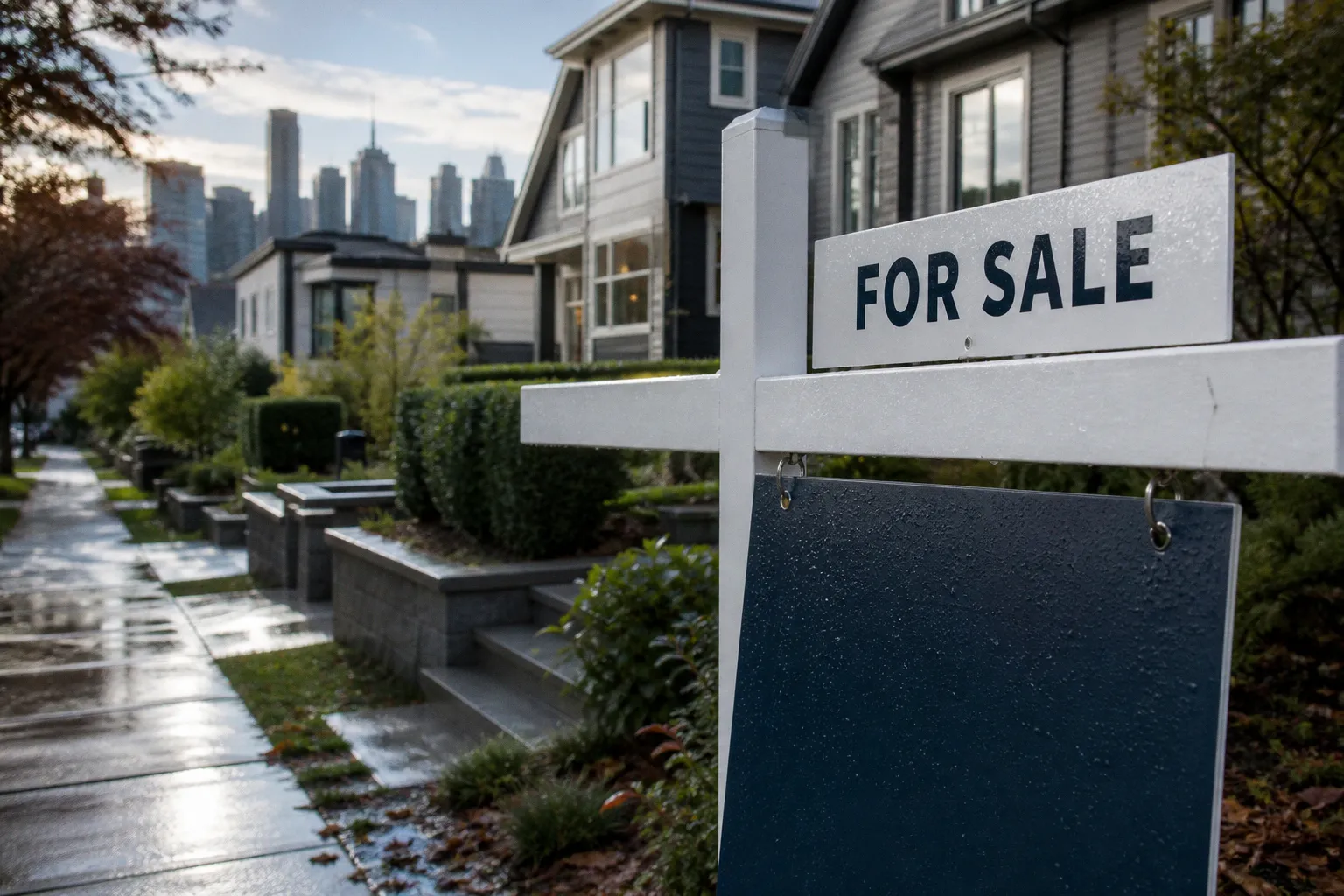
The move lands as Seattle's active inventory expands, widening the option set for buyers who can still qualify under the current rate environment, per Yahoo Finance reporting.
The Rate Reset
Per The Seattle Times' August 27 coverage, the 30-year fixed average has risen to a level last recorded roughly four weeks prior. The reporting reframes the late-summer narrative: any softening observed across early August has been fully unwound in the latest weekly print.
For Washington borrowers, the practical signal is reversion to a prior benchmark rather than establishment of a new low. The four-week comparison functions as the only quantitative anchor available in the current reporting cycle, and it points sideways-to-up relative to where the market sat 30 days prior.
Inventory vs. Affordability Divergence
Yahoo Finance reports a measurable shift on the supply side of the Seattle market: inventory is rising, giving prospective buyers a wider field of listings to evaluate. The same coverage flags the offsetting constraint — higher mortgage rates continue to apply downward pressure on qualifying buyers' purchasing power.
The two inputs do not cancel. They redistribute leverage:
- Supply side: rising active inventory, expanding listing count
- Cost side: 30-year rate reverted to its four-week-old baseline, no net improvement in borrowing cost
- Net read: more inventory choices, unchanged monthly payment arithmetic for any given loan principal
Buyers gain selection. Sellers face a pricing ceiling tightened by the rate environment. Neither side has gained ground on the other.
What to Watch
Forbes' ongoing Washington mortgage and refinance rate tracker remains the reference point for state-level pricing. The Seattle Times' weekly reporting sets the directional signal. The next two rate prints will determine whether the current inventory expansion converts into closed transaction volume or stalls on affordability friction.
A continued rise above the four-week benchmark pushes the 30-year average into fresh resistance and tightens the seller ceiling further. A hold or decline re-establishes the late-August range as support and keeps the door open for the rising inventory to clear at current price levels.
The binary read: rate trajectory over the next two prints, not inventory count, will determine the closing-quarter transaction pulse across the Seattle metro.