Panthéon entry: efficient ticket acquisition for visitors
The Panthéon runs on a timed-entry system, and that single design choice resolves most of the friction visitors encounter.
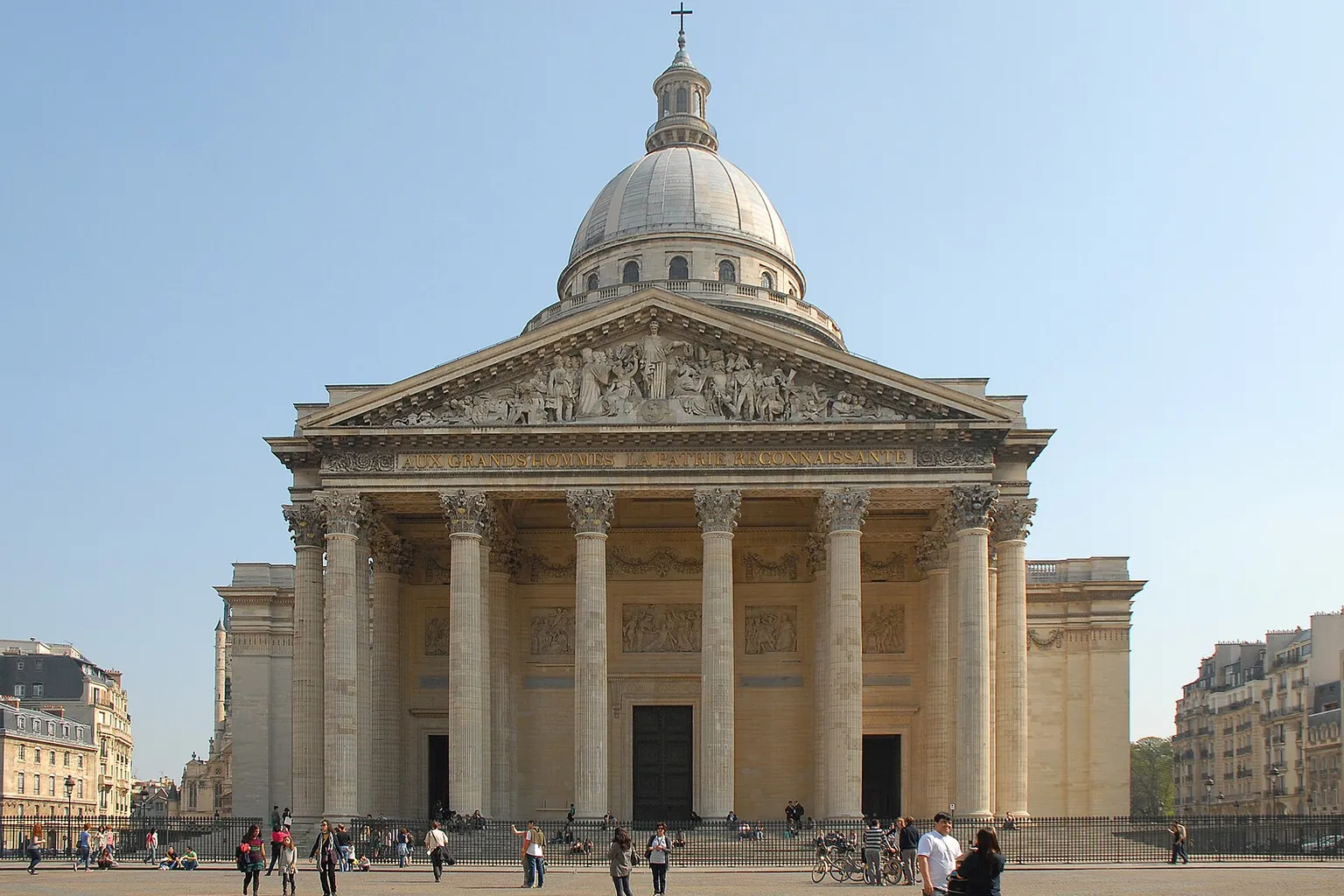
Buying Panthéon Tickets: A Disciplined Approach to One of Paris's Most Underestimated Stops
Show up on a Saturday in May without a ticket, and the queue along Rue Soufflot tells the rest of the story: travelers who assumed they could walk in, discovering the next slot is hours away. Advance planning isn't optional here. It's the difference between a clean ninety-minute visit and half a day lost to queue management.
Tickets and prices
Panthéon
I
Save
Box office and online booking
- Adult €16
- Child free
€16
Official websiteII
Our pick · guided tour
Self-guided tour · 1 hour
This ticket includes a one-hour self-guided tour dedicated to the memory of the men and women who marked French history since the French Revolution.
€13
Book ticketsThis is a scope-of-work problem. Buy the right ticket, at the right price point, for the right experience, and the monument becomes an efficient, rewarding stop. Buy the wrong one and you either overpay, skip the parts that actually mattered, or stand in the wrong line entirely. Let's break it down the way a renovation consultant would: what's essential, what's an upgrade, and what you can sweat-equity your way around.
The Official Channel and What You're Actually Purchasing
The Panthéon is operated by the Centre des Monuments Nationaux, which means the only fully authoritative source for tickets is their platform. Everything else - third-party resellers, tour aggregators, hotel concierges waving "skip-the-line" cards - is a layer on top of that system. Some of those layers are legitimate and convenient. Some are dressed-up versions of the same ticket with a markup. Knowing which is which is the first cost-to-value calculation in this project.
A standard admission ticket covers the Panthéon crypt and the nave. That's the Foucault pendulum swinging overhead, the tombs of Voltaire, Victor Hugo, Marie Curie, and several dozen other historical figures, and the soaring dome interior itself. The standard ticket gets you into all of this during a specific timed entry window. Dome panorama access, by contrast, is a separate, on-site purchase - more on the value calculation in a dedicated section below.
There are two structural decisions to make before you click buy:
1. Single monument or combined ticket. The official platform offers a combined ticket that bundles the Panthéon with the Basilique Saint-Denis, another major monument north of Paris. If both are on your itinerary, the bundle typically pencils out favorably against two separate purchases. If the Panthéon is your only monument stop, the single ticket is the cleaner choice - no dead value sitting in your pocket.
2. Standard visit or dome upgrade. Dome access is optional and purchased separately at the monument, not bundled into the e-ticket. Decide this later, on-site, based on weather and energy.
The cheapest path to the Panthéon is rarely the fastest. Off-peak tickets cost less, but they also push you into the lower-traffic months when queues are already short anyway. Buy for convenience first, savings second.
Pricing Tiers and the Seasonal Logic
Standard adult admission follows a two-tier structure: a peak-season rate from spring through early fall, and a reduced off-peak rate during the quieter winter window. The exact figures shift year to year and are reflected in the live booking widget - treat any specific number you read elsewhere as potentially outdated by the time you book. What holds steady is the structural logic: visit in January or February and you'll pay less for the same monument.
For visitors under 18, admission is free regardless of nationality. EU nationals and regular French residents aged 18 to 25 also enter without charge - one of the more generous age thresholds among Paris's major monuments. Disabled visitors with an accompanying assistant qualify for the same exemption. French jobseekers with documentation issued within the last six months are also admitted free.
The seasonal split isn't purely about price. Peak-season visitors should expect heavier crowds, particularly during French school holidays (roughly February, April, and late December). Off-peak visitors trade warmer weather for thinner queues and cheaper tickets - a reasonable swap if your itinerary has any flexibility at all.
A practical heuristic for value across the year:
| Timing | Crowd level | Relative price | Best for |
|---|---|---|---|
| November–March, weekdays | Low | Off-peak rate | Visitors prioritizing cost and short waits |
| April–June, September | Medium | Peak rate | Balanced itineraries with tolerable queues |
| July–August, school holidays | High | Peak rate | Travelers locked into summer dates |
| First Sunday, Nov–Mar | Moderate | Free | Anyone eligible and itinerary-flexible |
Free Admission Routes: Eligibility and Calendar Windows
Three categories of visitors can walk in without paying: those whose age qualifies them, those whose residency status qualifies them, and everyone on specific calendar dates.
The age-based exemption is straightforward. Anyone under 18 enters free. EU citizens and regular French residents aged 18 through 25 do the same. Non-EU visitors in the 18-to-25 bracket still need a ticket. Documentation matters - carry proof of age and, for the 18-25 EU exemption, a valid ID showing EU nationality or French residency. The ticket desk doesn't argue these cases; it just asks to see something.
The calendar-based free days are predictable and worth building a trip around if your dates cooperate. The first Sunday of every month from November through March is free for all visitors. European Heritage Days, held on the third weekend of September, also opens the monument without charge. These days draw heavier crowds than typical paid weekdays, but the savings stack up fast - especially for families or groups where multiple tickets would otherwise compound.
For visitors who qualify on multiple grounds - an EU resident aged 24 visiting in January, for instance - the calendar-based free day still applies. The system isn't picky. You don't have to choose which exemption to use; you just don't buy a ticket.
Build your Paris itinerary around the first Sunday of any month from November through March if you're an EU resident under 26. Free entry, thinner crowds than peak summer, and shorter lines than a typical paid weekday in April. The savings pay for a serious dinner.
Dome Access: The Optional Upgrade Worth Analyzing
This is where the spend-vs-save calculation earns its keep. Dome panorama access requires a modest additional fee paid on-site at the time of climb - not bundled into your e-ticket - and involves ascending 425 steps through the narrow stone spiral that runs up the dome's interior structure. There is no elevator. The monument makes this clear at the point of purchase.
What you get for the climb: a 360-degree view of Paris from roughly the same elevation as the top of Notre-Dame's towers. The Latin Quarter rooftops spread out below, the Eiffel Tower stands to the west, Sacré-Cœur rises to the north, and on a clear day the outer arrondissements and even the outskirts of the city are visible in every direction. It's a genuine view, not an observation-deck gimmick, and one of the more authentic ways to take in central Paris from above.
The cost-to-value question turns on three variables:
- How much you value panoramic views. If you already have Eiffel Tower tickets or Sacré-Cœur in your plan, the dome becomes incremental rather than unique. If central Paris from above isn't otherwise on your itinerary, this is one of the few ways to capture it without a separate trip to Tour Montparnasse.
- Physical readiness for the climb. 425 steps in a tight spiral isn't dangerous, but it isn't casual either. Visitors with knee issues, claustrophobia, or limited mobility should skip it without regret. The nave and crypt deliver the majority of the monument's value regardless.
- Weather on the day. A clear afternoon rewards the climb substantially. Overcast or hazy conditions erode the payoff. If your visit day has flexibility, time the dome attempt for the clearest window.
My verdict: treat dome access like a fixture allowance on a kitchen renovation - a discretionary upgrade, not a baseline. Add it when your itinerary has room and the weather cooperates. Skip it cleanly if you're budget-constrained, visiting on an overcast day, or simply not sold on the view premium. There is no wrong answer here.
Group Visits and Special Arrangements
If you're bringing a group of ten or more, the standard online ticketing flow doesn't cover you. Group visits require mandatory advance reservation via email, with bookings typically confirmed within a few business days. The system handles this manually because group entry affects the monument's internal flow management, especially during peak periods.
For small families or friends traveling together, the individual ticketing system works fine. The group reservation threshold typically kicks in around ten visitors - check the current cutoff before assuming you can buy ten individual tickets and walk in together. During busy periods, even smaller groups may be asked to coordinate as a unit at the entrance.
School groups, university groups, and organized tour operators all fall under the group framework and need to follow the email reservation path. There are no walk-up group rates; everything routes through the reservation office, and walking in as an unannounced group of twelve will get you turned away at the gate.
Hours, Closures, and Arrival Logistics
Operating hours follow a two-season calendar. Summer hours run from April 1 through September 30, with the monument open 10:00 AM to 6:30 PM. Winter hours run from October 1 through March 31, with closing at 6:00 PM. Last entry in both seasons is 45 minutes before closing - showing up at the gate half an hour before close gets you turned away.
One consistent exception is worth memorizing: on the first Monday of every month, the Panthéon opens at noon rather than 10:00 AM. Plan around this if a Monday visit is part of your schedule. Annual closures include January 1, May 1, and December 25. December 24 and December 31 operate on shortened hours, closing at 5:00 PM with last entry around 4:15-4:30 PM.
The arrival itself is straightforward. The main entrance faces the Place du Panthéon, with the columned portico visible from Rue Soufflot as you approach. Have your e-ticket ready on your phone or printed at home. Downloads in advance are strongly recommended - cellular connectivity inside and around the monument can be unreliable, and standing at the gate fumbling with a spinning download wheel is a common frustration. The turnstile reads both mobile QR codes and printed barcodes; either format works.
Bag restrictions are strict and there is no cloakroom or luggage storage on site. Bags larger than roughly 20×40×40 cm - the size of a small carry-on roller - are prohibited entirely. If you're coming straight from a hotel checkout with luggage, this is the single logistical snag that catches visitors off guard. The nearest luggage storage options are at major train stations, not at the monument itself. Plan accordingly.
The Spend-vs-Save Verdict
Here's the final scope of work, organized by visitor type:
- Maximum savings, minimum hassle: Visit on the first Sunday of any month from November through March. Free entry for all visitors, off-peak crowds, and no ticket to coordinate in advance. If you're eligible and your dates cooperate, it's the cleanest path through the door.
- Standard visit, peak timing: Buy a standard adult e-ticket through the official CMN platform for your preferred time slot during peak season. Pay the peak rate, skip the line, walk in at your slot. Add dome access on-site if weather and energy cooperate.
- EU residents under 26: Your entry is free year-round. Don't purchase a standard ticket. Show ID at the ticket desk and walk in. Reserve your budget for the dome fee if you want the upgrade.
- Group of ten or more: Email the reservation office well in advance. Don't try to buy ten individual tickets online and walk in as a unit - you'll be turned away or split up at the entrance.
- Bundled itinerary: If the Basilique Saint-Denis is also on your plan, the combined ticket saves money over two separate purchases. Buy the bundle in a single transaction through the official platform.
One last note on third-party resellers. Aggregator platforms sell Panthéon admission tickets with various add-ons - guided tours, Seine cruises, multi-monument passes. These are legitimate products, but they're layered on top of the same official ticket. The Paris Museum Pass, if you're visiting multiple Paris monuments across several days, sometimes includes the Panthéon and can pencil out favorably depending on your itinerary. Check the current inclusion list against your actual planned monuments before assuming the pass is a deal. It isn't always.
The Panthéon rewards visitors who do five minutes of planning more than visitors who don't. The ticketing system is built for timed entry, the free categories are clearly defined, and dome access is a clean optional upgrade rather than a hidden cost. Treat it like any project: know the scope, know your budget, and know what's worth sweating versus what's worth paying for. Then walk in with a ticket that matches what you actually came to see.
Key facts
Built: 1758
Architect: Jacques-Germain Soufflot
Height: 83 m
Heritage status: classified historical monument
Official website: paris-pantheon.fr
FAQ
Do I need to buy tickets for the Panthéon in advance?
Is dome access included in the standard Panthéon ticket?
Are there days when entry to the Panthéon is free?
Can I bring my luggage into the Panthéon?
What is the best way to buy tickets for a group of ten or more?
Photo: Camille Gévaudan / CC BY-SA 3.0 — Wikimedia Commons