How Seattle Homeowners Are Prioritizing Efficiency and Layout in 2026 Renovations
According to GLC Kitchen and Bath Remodeling, energy-efficient improvements and sustainable materials are leading Seattle’s remodeling trends in August 2026.
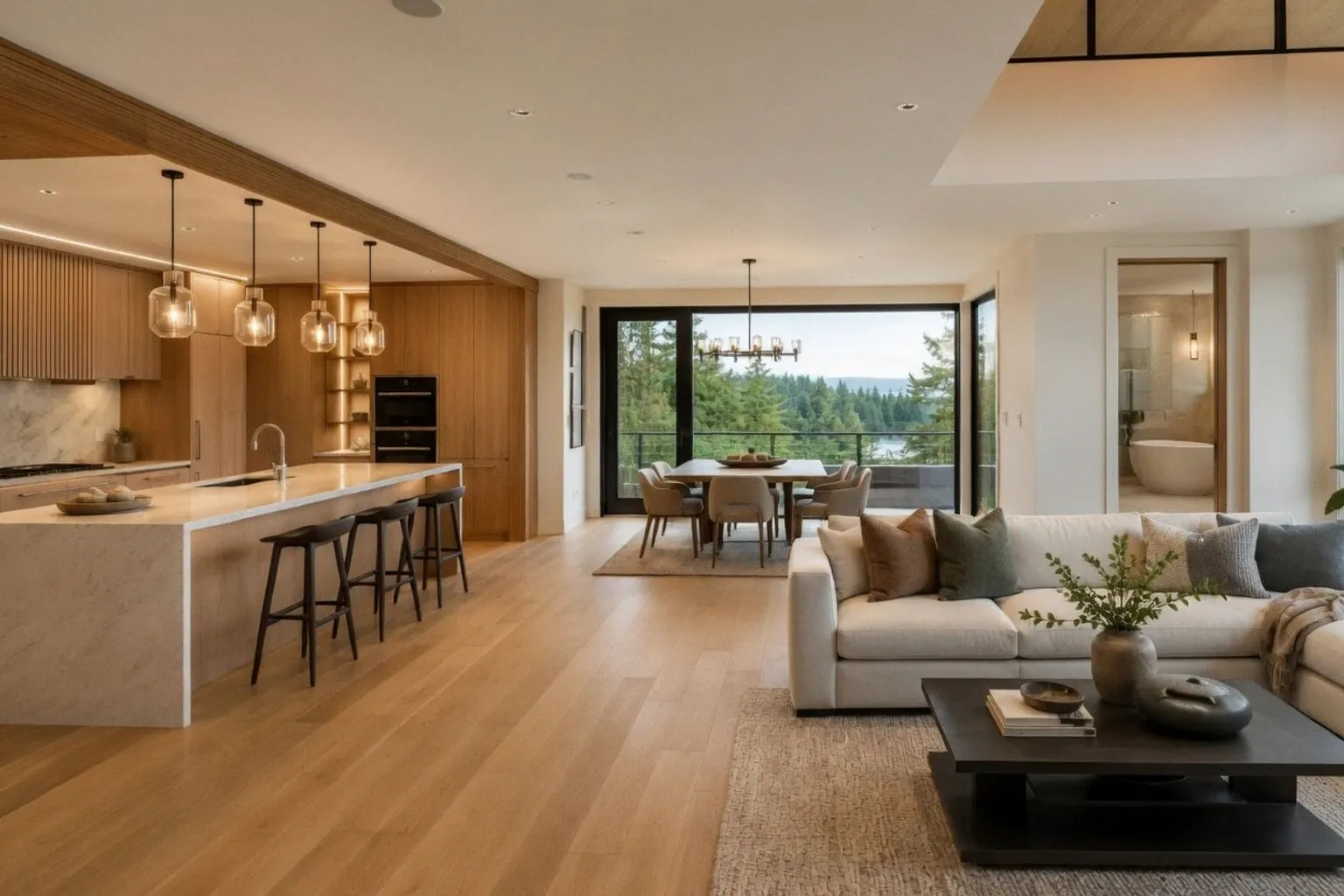
The shift is practical rather than purely cosmetic: homeowners are prioritizing function, efficiency, flexibility, and longer-term property value. That matters in a market where Realtor.com reported active listings up 3.2% year over year and the median listing price down 1.2% for the week ending August 8.
Efficiency moves to the front of the budget
The clearest signal is the emphasis on energy-efficient upgrades. GLC identifies these improvements as one of the fastest-growing renovation categories among Seattle homeowners. Sustainable materials are part of the same direction.
The available evidence does not establish a standard project cost, payback period, or specific energy savings. Those figures should be verified before a homeowner approves a scope of work. The actionable point is narrower: efficiency is now being treated as a central remodeling objective, not an optional add-on.
For a project under consideration, separate the budget into three lines:
- improvements intended to reduce energy consumption;
- materials selected for durability and sustainability;
- design changes intended primarily to improve daily use.
That separation makes it easier to compare contractor proposals and prevents broad claims about value from replacing measurable project details.
Layout remains a primary decision
Open floor plans continue to be among the most requested remodeling choices identified by GLC. The stated use case is a stronger connection between kitchen, dining, and living areas, particularly for households that entertain or want shared space.
The kitchen remains the central renovation target in the source material. Bathrooms are also being repositioned as more than functional rooms, with homeowners seeking retreat-like spaces. Dedicated home offices are another recurring feature, reflecting remote and hybrid work. These rooms may also function as study areas or guest rooms.
The practical test is flexibility. A remodel should not be evaluated only by whether it creates a larger room today. It should also be assessed by whether the space can support more than one use over time.
That principle extends to:
- home offices that can serve as guest rooms;
- flexible floor plans that can adapt to changing household needs;
- indoor-outdoor connections that extend usable living space;
- accessory dwelling units and other flexible arrangements.
The source identifies ADUs and flexible living spaces as increasingly popular across Seattle. It does not provide adoption figures or a neighborhood-level breakdown. Buyers and owners should therefore treat the trend as a planning signal, not a quantified market guarantee.
What the market data changes
The remodeling discussion sits inside a housing market with more visible inventory. Seattle Condos and Lofts reported that active inventory increased significantly in its July 2026 Seattle condo recap, giving buyers more options. Realtor.com’s weekly update adds a 3.2% year-over-year increase in active listings and a 1.2% decline in the median listing price.
These figures do not prove that remodeling caused, or will cause, a specific change in resale performance. They do change the decision framework. Sellers may face more comparison from buyers. Owners considering a renovation should distinguish between work that improves livability and work intended to compete with current listings.
A disciplined review should answer four questions:
- Does the project correct a functional weakness in the home?
- Does it improve energy efficiency?
- Can the space serve multiple purposes?
- Are the materials and layout durable beyond a short design cycle?
GLC’s guidance favors timeless materials, practical layouts, and quality craftsmanship over short-lived design trends. The evidence does not identify which individual upgrades deliver the highest return, so homeowners should not treat a generic remodeling trend as a guaranteed yield calculation.
The near-term projection is binary: projects tied to efficiency and flexible use are positioned to remain relevant if buyers continue to have more choices; purely aesthetic work faces a higher risk of being compared against price rather than rewarded as added value.