How Seattle Homebuyer Preferences Are Evolving Amid a Cooling Market
Per The Daily Tribune News, a top-performing Seattle agent is flagging a measurable shift in what buyers are prioritizing as local market conditions evolve.
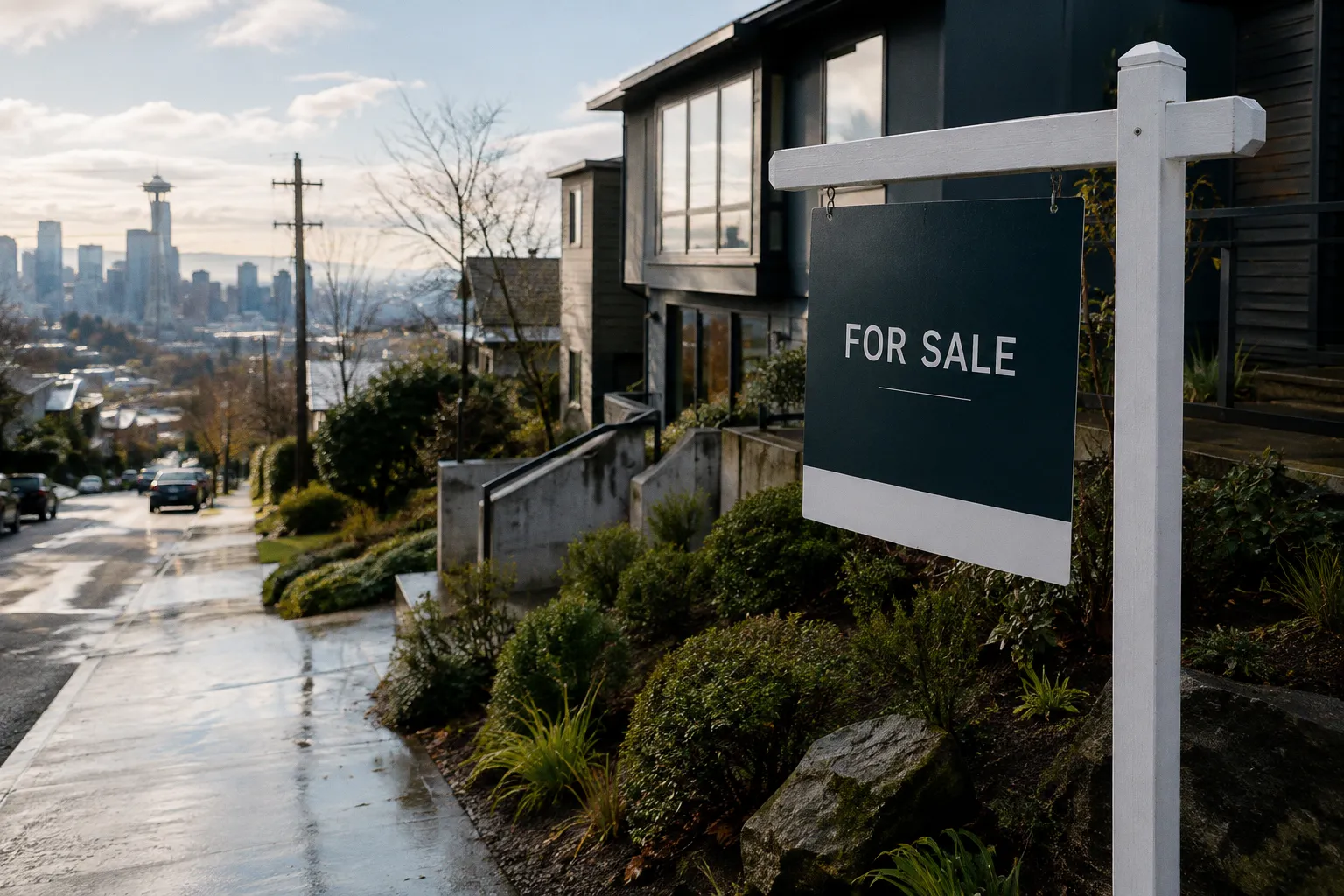
Seattle Buyer Priorities Are Realigning. The Numbers Tell the Story.
That observation aligns with broader signals: multiple outlets report the Seattle housing market is cooling, with the tax-exodus debate cited as a contributing factor in recent coverage from the Center Square and The Black Chronicle. For a market that ran on constrained inventory and bidding wars for the better part of three years, the recalibration warrants close reading.
Cooling Metrics and Legal Friction
The data points converge on one conclusion: buyer leverage is incrementally increasing. The Center Square and The Black Chronicle both reference a cooling trend in Seattle-area housing, tied in part to ongoing discussion around tax policy and outmigration patterns. The specifics—how many basis points of rate movement or exact inventory absorption timelines—are not confirmed in available reporting. But the directional signal is consistent across sources.
Simultaneously, The Seattle Times reports a settlement between a Washington state real estate listing service and a brokerage involved in litigation. The terms of that settlement are not detailed in available coverage. For market participants, the significance lies in the operational backdrop: regulatory and legal friction in the brokerage ecosystem compounds the uncertainty buyers and sellers are already navigating.
What the Buyer-Side Shift Means in Practice
The Daily Tribune News report centers on changing buyer priorities. Without granular data on which specific attributes—price thresholds, neighborhood selection, property condition—are shifting, the takeaway for Puget Sound buyers is procedural, not emotional. The market is no longer rewarding reflexive escalation. Buyers who have been conditioned to waive contingencies and compress decision timelines may find, in the current environment, that disciplined due diligence carries less penalty.
Sellers, conversely, should expect longer days-on-market and tighter median compression in neighborhoods that previously traded on proximity alone. Pricing strategy needs to reflect absorption rates, not 2024 comps.
Binary Outlook
Two trajectories. If tax-exodus concerns intensify and inventory continues to build at current velocity, expect further price softening in the 3–7% corridor across King County submarkets by year-end. If mortgage rates stabilize below 6.25% and employment holds, absorption accelerates and the cooling narrative reverses within two quarters. The data, as of this reporting cycle, does not confirm which scenario prevails. Monitor weekly pending-sales counts and new-listing volume for leading indicators.